
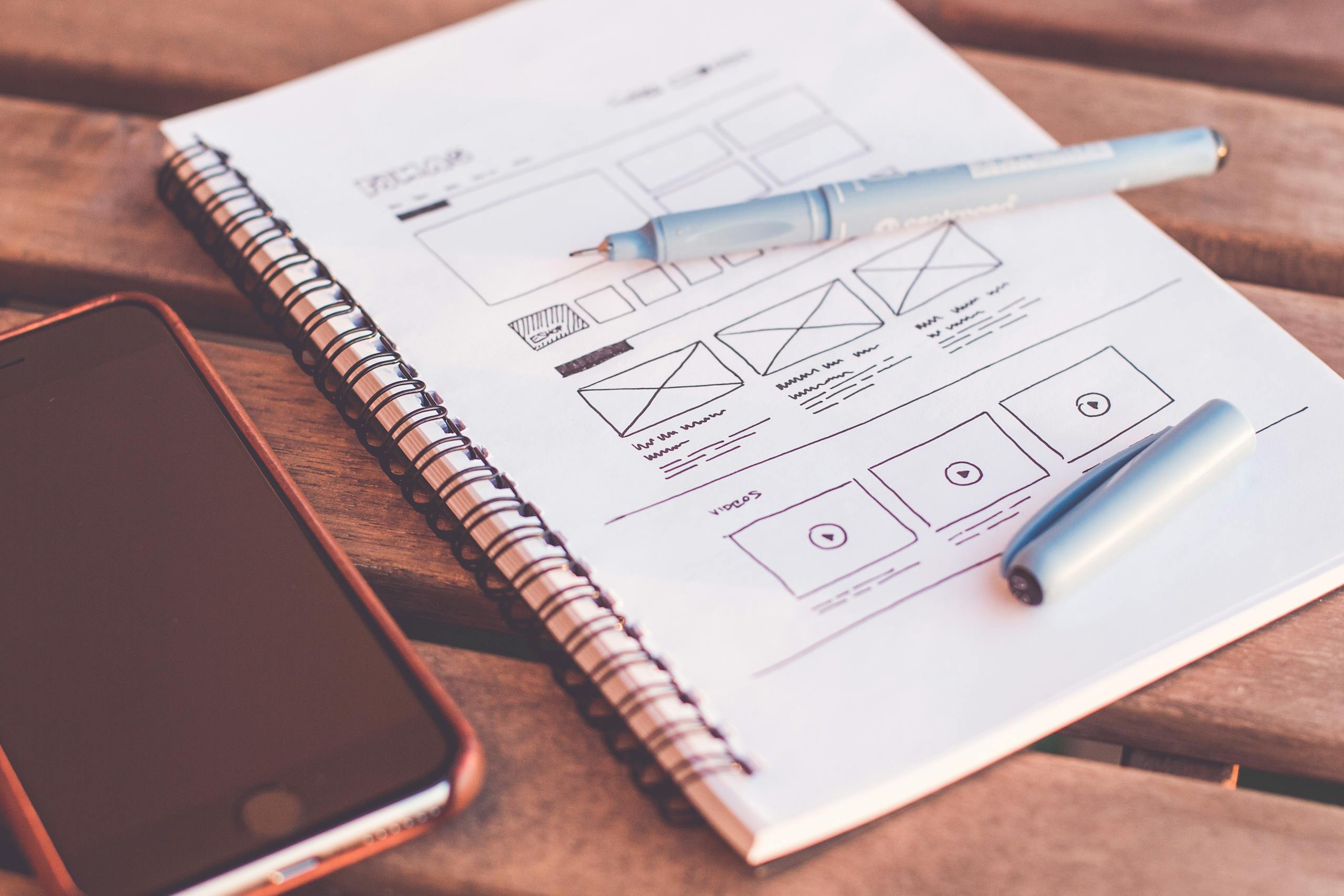
What is Web Design and How Can It Dramatically Boost Your Business? 10 Benefits
In the modern digital age, web design is no longer just about how a website looks — it’s about how it functions, how it connects with users, and how it drives business results. Whether you’re a small local shop or a global enterprise, your website is often the first interaction potential customers have with your brand. And that first impression? It matters. Take a look at some statistics.
This article will explore what web design entails, and how investing in good web design can boost visibility, credibility, user experience, and ultimately revenue. We’ll also provide a ranked list of business benefits, from most impactful to least.
What is Web Design?
Web design is the process of planning, conceptualizing, and arranging content intended for the internet. Today, it goes far beyond aesthetics. It includes:
- User Interface (UI) design – how the site looks and feels.
- User Experience (UX) design – how the site functions and how users interact with it.
- Responsive design – ensuring a site looks good and functions on all devices.
- Site architecture – how content and pages are structured and interlinked.
- Brand consistency – aligning design elements with a company’s identity.
Modern web design also integrates SEO, accessibility, and conversion optimization strategies.
How Web Design Can Improve Your Business (Ranked by Importance)
1. 🧠 Builds Trust and Credibility Instantly
- First impressions matter — users form opinions about your brand in milliseconds.
- A professional, modern website conveys legitimacy, expertise, and trustworthiness.
- Poor design or outdated elements can make a business appear untrustworthy or amateurish.
2. 🔁 Increases Conversion Rates and Revenue
- Effective design leads users to take action: buy a product, request a quote, sign up, etc.
- Key strategies include:
- Clear call-to-action (CTA) buttons.
- Easy navigation.
- Fast-loading pages.
- Mobile-friendly layouts.
- Even small UX improvements can lead to significant increases in sales.
3. 🌐 Improves Online Visibility (SEO Optimization)
- Search engines favor websites with:
- Clean code structure.
- Fast loading speeds.
- Mobile responsiveness.
- Quality content structure (headings, alt text, metadata).
- Good web design ensures a website is crawlable and indexable, which helps it rank higher on Google and other search engines.
4. 📱 Enhances User Experience (UX)
- Visitors should easily find what they’re looking for — information, products, or contact info.
- Good UX reduces bounce rates and increases dwell time.
- Accessibility for all users (e.g. screen readers, color contrast) expands your audience.
5. 🧩 Strengthens Brand Identity
- A website communicates your brand personality, values, and positioning.
- Design consistency (colors, fonts, logo placement, tone) reinforces recognition and loyalty.
- A unique design separates you from competitors.
6. 🚀 Supports Digital Marketing Campaigns
- Landing pages optimized for marketing (ads, social media) boost campaign performance.
- Integrates with CRM tools, email capture, analytics, and other systems.
- Makes retargeting and funnel tracking more effective.
7. 💼 Helps You Compete Effectively in Your Industry
- Your competitors already have (or are developing) strong web presences.
- A superior website can give you a competitive edge in the marketplace.
- Customers are more likely to choose the business that provides a seamless online experience.
8. 💬 Enables Better Communication with Clients
- Contact forms, live chat, FAQs, and interactive content help answer customer questions 24/7.
- Builds stronger relationships and streamlines lead generation.
- Reduces the need for manual outreach or customer service.
9. 📊 Provides Data and Insights
- Well-designed websites integrate with analytics tools (Google Analytics, Hotjar, etc.).
- Helps businesses track user behavior, identify pain points, and improve continuously.
- Supports data-driven decisions in marketing, sales, and product development.
10. 💰 Reduces Long-Term Costs
- A well-structured, scalable site requires less frequent redesigns.
- Lower maintenance and fewer bugs if built with modern standards.
- Helps avoid costly marketing campaigns to “fix” a bad user experience.
Components of Good Web Design
Here are the core elements of a well-designed business website:
- Mobile Responsiveness: Optimized for smartphones and tablets.
- Speed Optimization: Fast load times for better UX and SEO.
- Visual Hierarchy: Guides users’ eyes to the most important information.
- Consistent Branding: Colours, fonts, and messaging align with brand identity.
- Strong CTAs: Clear steps for users to follow.
- Secure (HTTPS): Protects user data and improves SEO.
- Scalability: Easy to add or modify content in the future.
- Accessibility: Inclusive design for all users.
Final Thoughts
Your website is not just a digital brochure — it’s a business tool. It should attract, convert, and retain customers, while reflecting the professionalism of your brand. Great web design is not an expense; it’s an investment that can drive growth, revenue, and long-term success.
Whether you’re launching a start up or refreshing an established business, investing in thoughtful, user-centric web design is one of the smartest moves you can make in today’s marketplace.